
I’m taking my own advice. Come to think of it, I’m combining two pieces of my own advice: “plan ahead” and “don’t be afraid to ask”!
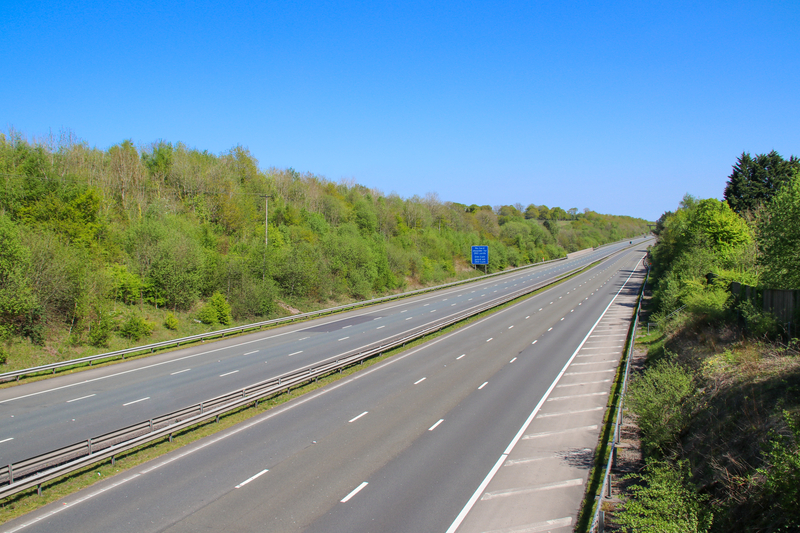
The specific challenge which my own agoraphobia presents is that of travelling alone, sometimes even leaving the house alone, and being in locations where I don’t have sight of people. That makes driving along a motorway at quiet times or walking across an open field alone hugely challenging. Put me in a city centre, a shopping mall or the passenger cabin of a commercial aeroplane, and I’ll be fine. The presence of other people gives me the reassurance and comfort I seek.
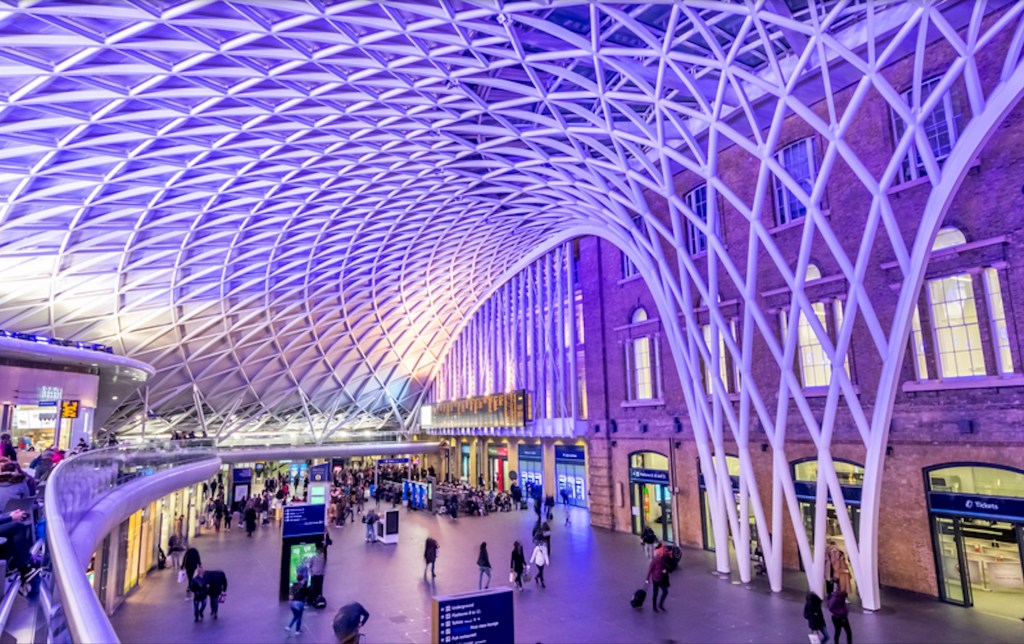
Using major railway stations on mainline routes is something I’ve found relatively easy in recent years as I’ve gradually made progress towards freedom from my previously crippling agoraphobia. Both at the stations and on the trains, there are almost always lots of people around me. Using major routes also means that the trains’ onboard crew are in evidence at intervals throughout the journey.
Recently, I made something of an “impulse purchase” – a ticket for a day event in London. In reality, the event is something I’ve wanted to attend for more than thirty years but the impulsive element was my decision on the spur of the moment to purchase a ticket online. Interestingly, I didn’t hesitate to ponder the logistics of getting there and it didn’t cross my mind to question how I’d “cope”. I wanted to go and that was all that mattered! The snap decision was a welcome reminder of an encouraging fact: sometimes the steps of progress out of the grip of phobia can be unplanned, unrehearsed, spontaneous!
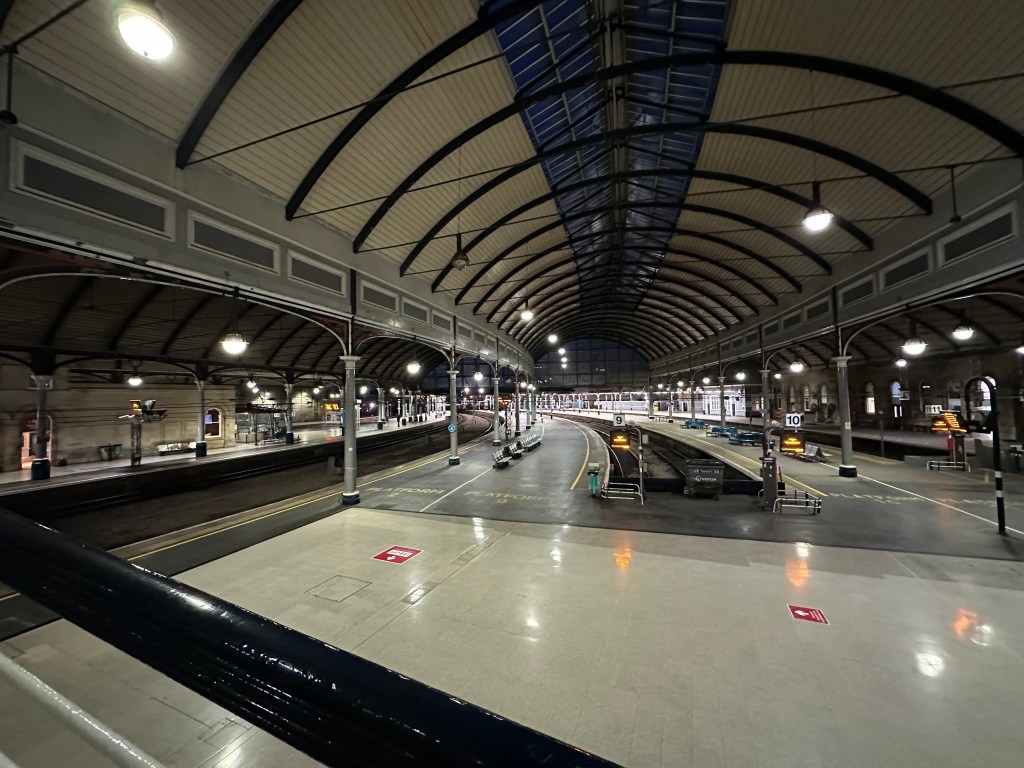
I booked so far in advance for the event that train tickets on the route which would take me to London had not yet been released. When the time came around to purchase rail tickets, that familiar feeling of doubt began to well up. I would either have to travel the previous day and stay overnight or I would have to book a seat on an early morning train. A very early train. I would need to arrive at the station so early that the majority of shops and cafes would not have opened. Would there be many passengers in the station at that time? Would there even be many staff, for that matter? The anxieties gathered like storm clouds!
My next step was to trawl the internet for a hotel room in London for the preceding night. I rationalised my approach by focussing on how much money I’d save by travelling on a later train one day earlier. Conveniently, my thought processes contrived to ignore the fact that any savings on rail fare would be outweighed many times over by the price of a hotel room! The realisation that hotel prices would be greatly increased during that particular week jolted me back to reality. My bank balance could not possibly stretch so far! It also made me aware of what was happening: avoidance. The option of travelling one day earlier would, undoubtedly, have tangible benefits but it would still constitute an act of avoidance on my part. In addition to spending a vast sum on overnight accommodation, I would be missing out on an opportunity to take an important step forward towards greater personal freedom.
Nonetheless, phobias do not operate on a basis of logic or rational thinking. As much as I knew that clicking on the online booking system and reserving that early morning travel ticket was the wisest option, it still felt daunting. Then, my own recommendation came back to me. Ask for help.
Reading through the train company’s website, I could see that assistance for passengers with disabilities and challenges is freely offered. I don’t rely on the use of a wheelchair or mobility aids though, so would my request for help be treated seriously, I wondered?
My question was answered by the Accessible Travel Policy which is available to read on the train operator LNER‘s website. To quote from that policy: “As all licensed train operators are required to do, this document explains our policies and our approach to providing assistance to disabled customers who may face barriers when travelling with us.”
Examples of circumstances in which people may need help with travel are offered. One of the bullet points was exactly what I hoped to see:
“People with non-visible impairments which may not be immediately apparent to others.“
I felt reassured that my request for assistance would not be treated as trivial, so during the process of buying my rail ticket and making a seat reservation online, I took the additional step of formally requesting travel assistance. Emails confirming my ticket purchase and my request for help arrived almost immediately.
I am very much looking forward to this trip in the Spring and I will report back on the service I receive. I’ll be reporting on the event I’m attending too!
In the meantime, anyone planning a rail journey in Britain may use the Assisted Travel scheme. As I will be travelling with LNER I used their online request system – and I’ll provide a link for that – but all train companies are required to provide the same service.
https://www.lner.co.uk/our-trains/assisted-travel/
A.P. 31 January 2026
Photo Credits:
Empty motorway: ID 90219727 @ Benjaminboeckle | Dreamstime.com
Empty field: ID 207050870 © Smutkoalex |Dreamstime.com
King’s Cross Station, London: ID 90219727 @ Benjaminboeckle | Dreamstime.com
Newcastle Central Station: A.P. ©

